Introduction
Fungal nail infections are one of the most common nail conditions affecting adults, yet they remain frustratingly difficult to treat. If you've noticed your toenails or fingernails becoming thick, discolored, or crumbly, you may be dealing with onychomycosis—the medical term for a fungal nail infection. These infections aren't simply a cosmetic concern; they can cause discomfort, pain, and in some cases, lead to more serious complications if left untreated. Understanding what causes fungal nail infections is the first step toward effectively managing them. Whether you're in your 40s, 50s, or beyond, your risk of developing a fungal nail infection increases with age, making this information particularly relevant for adults in this demographic. This article explores the underlying causes, why treatment is so challenging, and what steps you can take to protect your nails.
What Causes Fungal Nail Infections
Fungal nail infections develop when microscopic fungi invade the nail bed or nail plate, gradually breaking down the keratin that gives nails their strength and structure. Several types of fungi can cause these infections, with dermatophytes being the most common culprits, accounting for approximately 90% of nail infections, according to research in the Journal of Clinical Microbiology. Non-dermatophyte molds and yeasts like Candida also play a significant role in some cases.
The primary reason what causes fungal nail infections often goes back to exposure and opportunity. These fungi thrive in warm, moist environments—think locker room floors, public swimming pools, communal showers, and even your own bathroom. Direct contact with contaminated surfaces is a common entry point, especially if you have small cuts or cracks in the skin surrounding your nails. Walking barefoot in these public spaces significantly increases your risk compared to wearing protective footwear.
Age is a major risk factor. Adults over 60 are considerably more susceptible than younger people, with prevalence rates reaching 12% or higher in this age group. This increased vulnerability stems from slower nail growth, reduced blood circulation to the extremities, and a weakened immune system that's less able to fight off fungal invaders. Additionally, toenails are more frequently affected than fingernails because feet spend more time in enclosed, warm, moist environments like shoes and socks. Other risk factors include diabetes, poor circulation, immunosuppression, nail trauma, and a family history of fungal infections. Understanding what causes fungal nail infections in your specific situation helps you identify which prevention strategies matter most.
Signs and Symptoms of Fungal Nail Infections
Recognizing the early signs of a fungal nail infection is crucial for more effective management. The condition typically begins subtly, with barely noticeable changes that many people initially overlook. You might first notice a small discolored spot—usually white, yellow, or brown—appearing on the edge or surface of the nail. This spot gradually expands as the infection penetrates deeper into the nail structure.
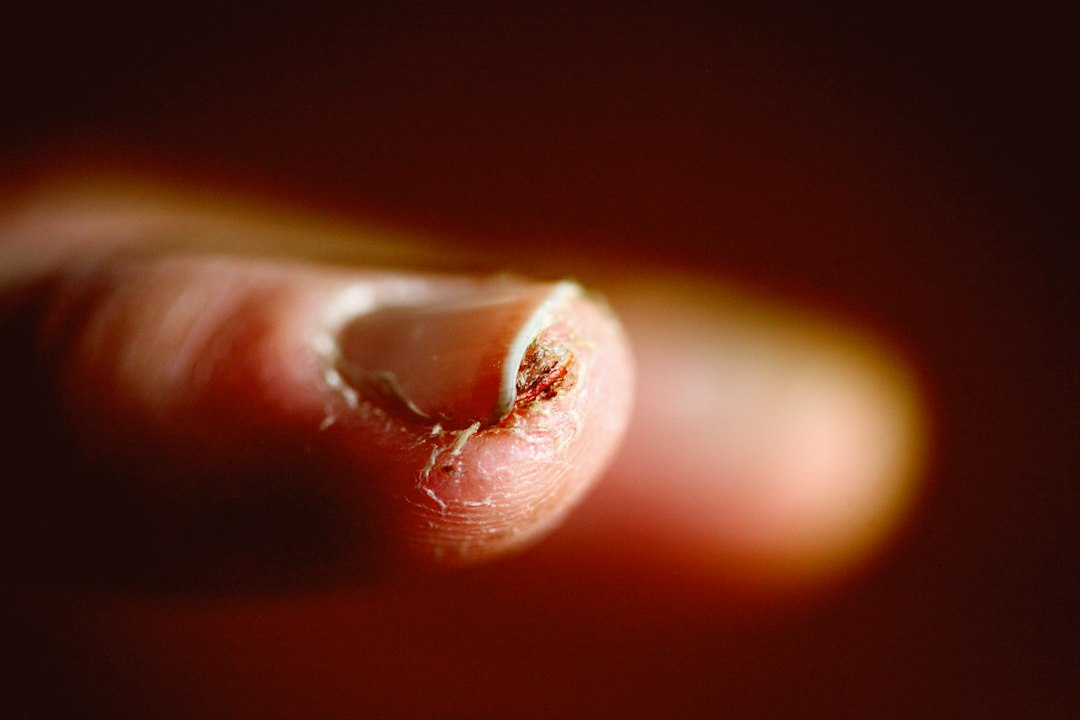
As the infection progresses, the nail develops a distinctly abnormal appearance. The nail may become thick and brittle, making it difficult to trim with standard clippers. Many people describe the infected nail as having a chalky or crumbly texture, especially at the edges. The discoloration often worsens, developing darker streaks or a completely yellow, brown, or greenish hue depending on the specific fungus involved. The nail may also become distorted, developing ridges or becoming warped in shape.
Beyond the visible changes, fungal nail infections can cause genuine discomfort. Some people experience mild itching or burning around the infected nail. Others report pain, particularly when wearing shoes or walking, since infected toenails become more prone to pressure sensitivity. In some cases, the infected nail may separate partially from the nail bed—a condition called onycholysis—which creates a gap where debris and additional fungi can accumulate. Additionally, if the infection spreads to surrounding skin, you may develop a fungal skin infection (athlete's foot), which presents as redness, itching, and scaling. These symptoms typically develop slowly over weeks or months, which is partly why fungal infections often go unnoticed until they become quite advanced.
Why Fungal Nail Infections Are So Hard to Treat
The stubborn nature of fungal nail infections frustrates both patients and healthcare providers. Several biological factors make these infections remarkably resistant to treatment. First, the nail plate itself acts as a barrier. Nails are designed to be a protective shield, which means they don't have a rich blood supply. This creates a significant problem: most oral and topical medications struggle to reach therapeutic concentrations inside the nail tissue where the fungus actually lives. The fungi are essentially sheltered in a location that's difficult for treatment to penetrate effectively.
The slow growth rate of nails compounds this challenge. Toenails grow approximately 1-2 millimeters per month, which means an infected nail takes roughly 12-18 months to fully grow out. During this extended timeframe, you must maintain consistent treatment while waiting for healthy nail to replace the infected portion. This extended treatment duration tests patient compliance; many people abandon treatment before seeing results simply because the process demands patience and persistence over many months.
Fungal biology also works against successful treatment. Once established within the nail, fungi produce biofilms—protective layers that shield the organisms from antifungal agents. These biofilms reduce the effectiveness of medications by blocking penetration and creating an environment where fungi can survive even in the presence of treatment. Additionally, certain fungal species show varying degrees of resistance to standard antifungal drugs, meaning that a treatment effective for one person may not work for another.
Environmental factors make reinfection likely. If you continue walking barefoot in contaminated areas or wearing shoes that create the warm, moist conditions fungi love, new infections can develop even while treating existing ones. The fungi remain present in your environment and on surfaces you contact regularly, increasing the risk that treatment will be undermined by reexposure. This is why prevention and environmental management are just as important as direct treatment.
Impact on Daily Life
Fungal nail infections affect more than just your nails; they can meaningfully impact your quality of life. Many people feel self-conscious about the appearance of infected nails, avoiding situations where their nails might be visible—such as going barefoot at the beach, wearing sandals, or attending social events. This social impact is particularly pronounced for women, who often feel greater pressure regarding nail appearance and grooming standards.
Physically, infected toenails can cause genuine pain and discomfort that affects mobility and activity level. Wearing shoes becomes uncomfortable as the nail thickens and pushes against the shoe interior, creating pressure and potentially causing pain with each step. Some people limit walking or exercise because of this discomfort, which can lead to decreased physical activity and the associated health consequences. This is especially concerning for older adults who need to maintain activity levels for overall health and balance.
The emotional toll shouldn't be underestimated. Dealing with a chronic condition that's difficult to treat and slow to resolve can create frustration and anxiety. The persistent nature of fungal infections—the way they seem to resist treatment attempts—can be demoralizing. Additionally, there's often concern about the infection spreading to other nails or to other people in shared household spaces, adding a layer of worry to an already bothersome condition. For these reasons, taking early action at the first sign of infection is worthwhile, both to improve the chances of successful treatment and to prevent the psychological impact of a more advanced infection.
Natural Approaches and Lifestyle Strategies
While fungal nail infections require persistent, comprehensive approaches to resolve, certain lifestyle modifications and natural strategies can support your efforts and reduce reinfection risk. Prevention is genuinely your strongest tool, and it begins with protecting your nails from fungal exposure. Always wear shower shoes or sandals in public bathing areas, locker rooms, and communal spaces where fungi thrive. After swimming or bathing, thoroughly dry your feet and toenails, paying special attention to the spaces between toes where moisture easily accumulates.
Footwear choices matter significantly. Wear breathable shoes and moisture-wicking socks that keep feet dry rather than damp. If your feet tend to sweat heavily, change socks frequently and consider antimicrobial socks specifically designed to reduce moisture and fungal growth. Allow shoes to dry completely between wearings, and avoid walking barefoot in shared spaces like your own kitchen or bathroom if you have an active infection, as this helps prevent spreading fungi to family members.
Nail hygiene practices deserve attention. Keep nails trimmed short and straight, and use clean tools to prevent introducing bacteria or fungi during trimming. Some people find that applying tea tree oil or other antifungal essential oils to affected nails offers modest benefit, though scientific evidence for these approaches is limited. A 2018 review in Phytotherapy Research noted that while tea tree oil shows antifungal properties in laboratory settings, clinical evidence of effectiveness against nail infections remains inconsistent.
Maintaining good circulation to your extremities supports your immune system's ability to fight infections. Regular exercise, staying active, and avoiding prolonged periods of immobility all contribute to better circulation. If you have diabetes or circulatory issues, working with your healthcare provider to optimize these conditions helps your body resist and fight fungal infections more effectively. Additionally, managing stress and prioritizing sleep strengthens overall immune function, which indirectly supports your body's ability to combat fungal invaders.
The Role of Nutrition and Nutrients in Nail Health
The health of your nails depends on adequate intake of specific vitamins and minerals that support nail structure and immune function. Biotin, a B-vitamin, plays a central role in keratin formation—the primary protein that makes up nails. Research published in the Journal of Drugs in Dermatology showed that biotin supplementation improved nail thickness and reduced brittleness in people with weak nails. While this doesn't directly treat fungal infections, stronger nails are less prone to damage that might allow fungal entry.
B-vitamins collectively support immune function and cell repair, both crucial for fighting infections. B12 and folate are particularly important for immune cell production, while vitamin B6 supports protein metabolism necessary for nail growth and repair. A deficiency in any of these B-vitamins can weaken your immune response and slow nail healing. Adults over 40 often have reduced absorption of B12, making supplementation particularly relevant for this age group.
Zinc is essential for immune system function and plays a role in wound healing and skin integrity. Zinc deficiency is associated with increased susceptibility to various infections, and adequate zinc levels support your body's ability to fight fungal invaders. Copper works synergistically with zinc in immune function and collagen formation, which contributes to nail strength. Iron supports red blood cell production and oxygen delivery to tissues, which affects circulation to the extremities and nail health.
Vitamin D functions as an immune modulator, helping your body mount appropriate immune responses to infections. Studies have shown that vitamin D deficiency is associated with increased susceptibility to various infections. Given that many adults have inadequate vitamin D levels—especially those who spend limited time in sunlight—ensuring adequate intake through diet or supplementation supports immune health.
This is why many adults turn to targeted nutritional support formulas—one approach people explore is addressing these deficiencies comprehensively—which combines these key nutrients in one supplement designed to support nail health and immune function. While no supplement directly cures fungal infections, addressing underlying nutritional gaps removes one obstacle to your body's natural healing processes and may help prevent future infections.
Frequently Asked Questions
Can fungal nail infections go away on their own?
Fungal nail infections rarely resolve without treatment. While your immune system may slow the infection's progression, the fungi typically remain and continue gradually damaging the nail. Spontaneous resolution is uncommon enough that waiting without treatment usually results in the infection worsening. Early intervention offers better chances of successful outcomes than delaying treatment.
Are fungal nail infections contagious to other people?
Yes, fungal nail infections can spread to other people, particularly in shared spaces like bathrooms, showers, and locker rooms. You can also spread the infection to other nails on your own body. This is why wearing shower shoes in public areas and keeping bathroom surfaces clean matters. Family members sharing the same bathroom should be cautious, though infection requires exposure plus opportunity for fungal entry.
How long does it take to see improvement from treatment?
Visible improvement typically takes several months because you're essentially waiting for infected nail to grow out and be replaced by healthy nail. Since toenails grow only 1-2 millimeters monthly, expect 3-6 months before seeing noticeable improvement, and 12-18 months for complete resolution. Consistent treatment throughout this period is essential for success, which is why many people find it challenging to maintain.
When to Seek Professional Help
If you suspect a fungal nail infection, scheduling an appointment with a dermatologist or podiatrist is worthwhile. These professionals can confirm the diagnosis through microscopy or fungal culture, which helps identify the specific organism involved. This information guides treatment decisions, as different fungi respond better to different medications. Additionally, if you have diabetes, circulatory problems, or a weakened immune system, professional guidance is especially important, as complications from untreated nail infections are more likely in these situations.
Dealing with fungal nail infections can be frustrating, especially when you understand how difficult they are to treat. While lifestyle changes and professional treatment form the foundation of management, addressing nutritional gaps that support nail health and immunity is also worthwhile. Learn more about how targeted nutritional support may fit into your overall approach to supporting nail health from the inside out.